Early 2027 NCAA Tournament odds reveal a surprising favorite
The early betting markets for the 2026–27 college basketball season have already sparked conversation, and the headline is clear: Duke Blue Devils open as the favorite. That position reflects a combination of recent success, elite recruiting, and program stability. In a sport where rosters shift rapidly and chemistry can change overnight, Duke continues to project as one of the few programs capable of sustaining championship-level continuity.
This early confidence is not just about reputation. Duke’s modern identity blends disciplined defense, high-level guard play, and a steady pipeline of top-tier recruits capable of making an immediate impact. The program’s emphasis on versatility allows it to adjust to a wide range of opponents, a key advantage in tournament play where matchups can shift dramatically from round to round. That adaptability is one reason oddsmakers continue to place Duke at the top of early national title conversations.
Of course, preseason projections only tell part of the story. Health, player development, and midseason chemistry often determine which contenders separate themselves when March arrives. The competitive landscape is also deep, with several programs close behind in the odds, signaling that no team enters the season with a guaranteed edge. Still, being the early favorite suggests that Duke has both the talent foundation and structural consistency to make a serious run at the championship.
Purdue Boilermakers (+3000)
Purdue’s identity centers on size, rebounding, and disciplined half-court execution. Their offense typically runs through the post, with guards spacing the floor and attacking off ball movement. The Boilermakers’ postseason success will depend on guard play under pressure. If they maintain efficiency and defend without fouling, they’re capable of a deep run.
Purdue’s identity centers on size, rebounding, and disciplined half-court execution. Their offense typically runs through the post, with guards spacing the floor and attacking off ball movement. The Boilermakers’ postseason success will depend on guard play under pressure. If they maintain efficiency and defend without fouling, they’re capable of a deep run.
North Carolina Tar Heels (+2500)
North Carolina blends tradition with high-end talent, often leaning on strong wing play and rebounding. Their offense thrives in transition and with balanced scoring across the lineup. The key will be defensive cohesion and consistent guard play. If they find rhythm from deep, the Tar Heels can climb the national pecking order.
Alabama Crimson Tide (+2200)
Alabama emphasizes pace, three-point volume, and transition scoring, making them explosive on offense. Their ability to stretch defenses opens lanes for drives and second-chance points. Defensive discipline and shot selection will determine how far they go. If the Tide pair their scoring punch with improved defense, they can make noise in March.
Texas Tech Red Raiders (+2200)
Texas Tech’s hallmark is elite defense, with a system that prioritizes pressure and physicality. They often dictate tempo and make opponents uncomfortable. The Red Raiders’ ceiling will be determined by offensive growth, particularly from the perimeter. If they can generate consistent scoring, they’ll be a tough out.
UConn Huskies (+2000)
UConn combines size, versatility, and balanced scoring, often controlling games on both ends. Their offense is efficient through spacing and interior dominance, while the defense excels at contesting shots. Maintaining consistency on the road and limiting turnovers will be critical. With their track record of developing talent, the Huskies remain a dangerous contender.
Illinois Fighting Illini (+1800)
Illinois brings physicality and size, typically controlling the paint and the glass. Their defensive identity can carry them through tough stretches, but offensive consistency is the key variable. Improved perimeter shooting could elevate them from good to great. If their guards manage tempo and take care of the ball, they’ll be a tough matchup in March.
Houston Cougars (+1800)
Houston’s calling card is relentless defense and offensive rebounding, which often overwhelms opponents. They excel at creating second-chance opportunities and forcing turnovers. The question will be whether their half-court offense can keep pace with elite scoring teams. If their guards hit shots at a high clip, they have a clear path to contention.
Arkansas Razorbacks (+1800)
Arkansas features length, speed, and a defense-first identity that thrives in transition. The Razorbacks can swing games quickly with their athleticism and pressure. Their success hinges on perimeter shooting and decision-making late in close games. With improved shot selection, they can make a deep tournament push.
Kansas Jayhawks (+1600)
Kansas remains a perennial contender thanks to elite recruiting and a proven development system. Their offense often runs through skilled bigs with guards who excel in pick-and-roll action. Defensive rebounding and bench production will determine how far they can go. When Kansas combines efficient offense with strong rim protection, they’re a legitimate title threat.
Michigan State Spartans (+1600)
Michigan State is known for toughness, disciplined defense, and strong rebounding, giving them an edge in grind-it-out games. The Spartans traditionally peak late in the season, making them dangerous in tournament play. The backcourt’s ability to create offense and protect the ball will shape their trajectory. With depth and physicality, they’re built for long postseason runs.
Arizona Wildcats (+1500)
Arizona brings an up-tempo attack anchored by skilled big men and dynamic wings. Their offense is built around movement, spacing, and high-percentage looks near the rim. The Wildcats’ ceiling will depend on three-point consistency and tightening up half-court defense. If they limit turnovers and defend the arc, they can compete with any team in the field.
Florida Gators (+1400)
Florida projects as one of the more athletic teams in the country, capable of playing at multiple tempos. Their defensive intensity and ability to pressure the ball can disrupt even elite offenses. The Gators’ success will hinge on perimeter efficiency and how quickly their rotation gels. With the right balance between transition and half-court execution, they can challenge for a Final Four spot.
Michigan Wolverines (+1200)
Michigan is expected to be in the national conversation thanks to a blend of experienced upperclassmen and dynamic young scorers. The Wolverines have historically thrived with balanced scoring and perimeter shooting, making them dangerous in tournament settings. If their frontcourt can protect the rim and rebound consistently, they’ll be positioned for a deep March run. Chemistry and late-game execution will be key swing factors.
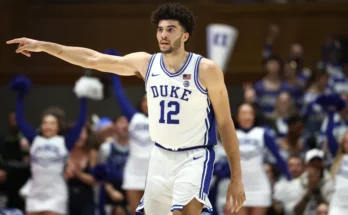
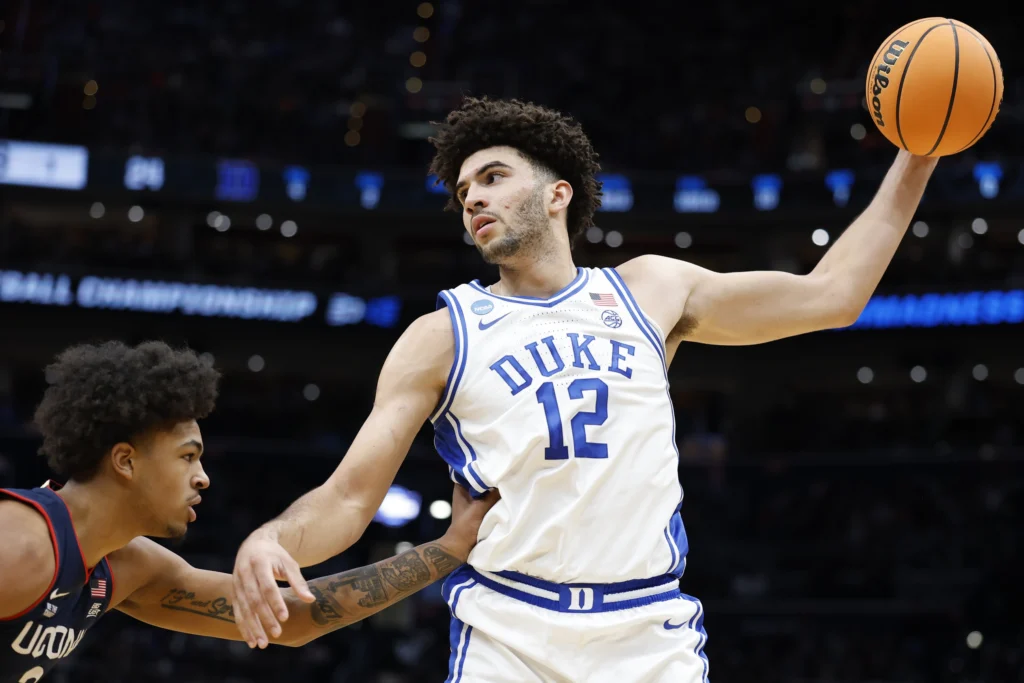
Duke Blue Devils (+800)
The Blue Devils enter the 2026–27 season as the early favorite thanks to a strong recruiting pipeline and returning core talent. With a track record of elite guard play and versatile forwards, Duke typically blends NBA-caliber talent with a disciplined system. The program’s depth and adaptability in late-game situations make it a perennial title threat. Expectations will center on defensive consistency and whether the backcourt can deliver in high-leverage moments.
Duke’s status as the early favorite reflects both confidence in the program’s direction and respect for its roster construction. While many teams have legitimate title aspirations, Duke enters the season with a rare combination of depth, experience, and recruiting strength. The real test will come when expectations meet performance under postseason pressure.