What if Cameron Boozer says, “I’m not leaving my brother” and comes back to Duke?
What if Cameron Boozer says, “I’m not leaving my brother,” and makes the decision to return to Duke Blue Devils men’s basketball? It’s the kind of scenario that instantly shifts the landscape of college basketball, blending emotion, loyalty, and competitive ambition into one powerful statement. In an era where individual paths often take priority, a choice rooted in family would resonate far beyond the court.
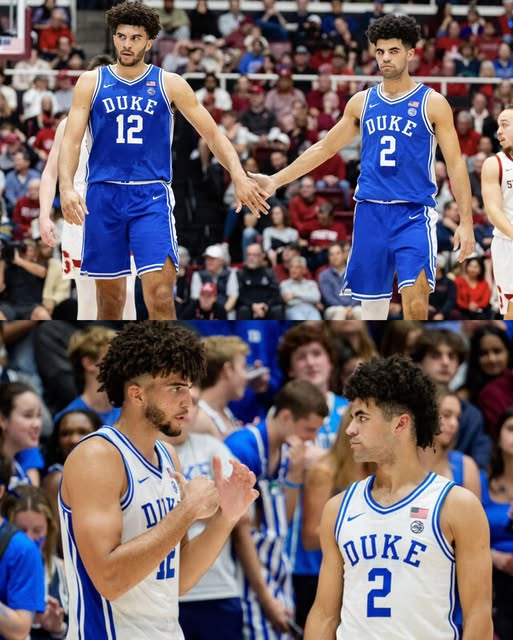
At the center of this possibility is the bond between Cameron and his brother, a connection that has been evident throughout their journey. Basketball has always been more than just a game for them—it has been a shared experience, built on countless hours of practice, competition, and mutual growth. The idea of continuing that journey together at Duke would not only strengthen their relationship but also create a unique dynamic within the team, one that could translate into chemistry and cohesion on the court.
From a basketball perspective, Cameron’s return would be monumental. A player of his caliber brings not just talent, but presence. His ability to impact the game on both ends of the floor makes him a cornerstone piece, someone who can elevate those around him while anchoring the team’s identity. Pairing that with the familiarity and comfort of playing alongside his brother could unlock an even higher level of performance, as trust and understanding often lead to more fluid and instinctive play.
For Duke, the implications would be significant. Retaining a player like Cameron would reinforce the program’s competitiveness and send a message about continuity and belief. It would suggest that the environment being built is one that players want to remain part of, even when other opportunities exist. That kind of culture is invaluable, particularly in a landscape where roster turnover has become increasingly common. It would also give the coaching staff a rare advantage: the ability to build around established pieces rather than constantly starting from scratch.
There is also a psychological element to consider. A decision framed around loyalty and family would resonate deeply within the locker room. Teammates would see it as a commitment not just to a sibling, but to the group as a whole. It could foster a sense of unity, reinforcing the idea that the team is more than a collection of individuals. That mindset often becomes a defining factor in close games and high-pressure situations, where trust and connection can make all the difference.
Of course, such a decision would not come without its complexities. Players at this level must weigh multiple factors, from personal development to long-term goals. The allure of new challenges, different systems, or broader exposure can be compelling. Yet, choosing to stay—especially for a reason as personal as family—would reflect a different kind of priority, one that values shared experience over individual exploration.
Fans would undoubtedly embrace the narrative. College basketball thrives on stories, and few are as compelling as brothers choosing to chase greatness together. It would add an emotional layer to every game, turning routine moments into something more meaningful. Every assist, every defensive stop, every celebration would carry added significance, reinforcing the bond that inspired the decision in the first place.
Ultimately, the idea of Cameron Boozer returning with the declaration that he is not leaving his brother speaks to something deeper than basketball. It is about connection, loyalty, and the power of shared purpose. In a sport defined by movement and change, such a choice would stand out, not just as a strategic decision, but as a statement about what truly matters.