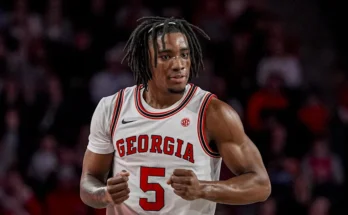
BREAKING: A college basketball star has sent shockwaves by leaving Duke men’s basketball and officially entering the transfer portal after the recent season—despite being a key piece of the team.
A wave of shock has rippled through the college basketball world as a key player from the Duke Blue Devils men’s basketball has made the unexpected decision to enter the transfer portal following the recent season. For a program built on stability, talent, and championship expectations, losing a core contributor is never just routine—it’s a moment that forces reflection, speculation, and a reassessment of what lies ahead.
The departure is particularly surprising given the player’s importance to the team. Throughout the season, he played a significant role, contributing on both ends of the floor and often stepping up in critical moments. Whether it was scoring, leadership, or defensive presence, he had established himself as a reliable piece within the rotation. That’s what makes the move so impactful—it’s not just about losing depth, but about losing someone who was deeply embedded in the team’s identity.
In today’s college basketball landscape, however, such decisions are becoming increasingly common. The transfer portal has transformed the sport, giving players more flexibility and control over their careers. Even those in strong positions at elite programs are now more willing to explore new opportunities, whether for increased playing time, a different system, or a fresh environment. What might have once seemed unthinkable is now part of the evolving reality of the game.
For head coach Jon Scheyer, this development presents both a challenge and an opportunity. On one hand, replacing a key contributor is never easy, especially when that player has already proven his value within the system. On the other hand, it opens the door for adjustments—whether that means giving more responsibility to returning players or looking to the transfer portal itself to bring in new talent. In many ways, roster construction has become a dynamic, year-to-year process.
The reasons behind the player’s decision remain a topic of speculation. In situations like this, there are often multiple factors at play. It could be about seeking a larger role, exploring a different style of play, or even personal considerations that extend beyond basketball. Without direct confirmation, it’s difficult to pinpoint a single cause, but the timing suggests that the decision was carefully considered rather than impulsive.
For Duke fans, the news is undoubtedly disappointing. Watching a player grow within the program creates a sense of connection, and seeing that journey come to an abrupt end can be difficult. At the same time, there is an understanding that the modern game is different. Loyalty still exists, but so does the pursuit of individual growth and opportunity. Balancing those realities is part of being a fan in this new era.
Within the locker room, the impact will also be felt. Teammates who shared the court and built chemistry with the departing player must now adjust, both emotionally and strategically. Leadership roles may shift, and new voices may emerge as the team adapts to the change. These transitions can be challenging, but they also have the potential to bring out resilience and growth.
Ultimately, this move underscores the fluid nature of college basketball today. Even at a program as prestigious as Duke, change is constant, and no roster is ever truly set. While the loss of a key player is significant, it is not the end of the story. For the Blue Devils, it marks the beginning of a new chapter—one that will test their ability to adapt, reload, and continue competing at the highest level.